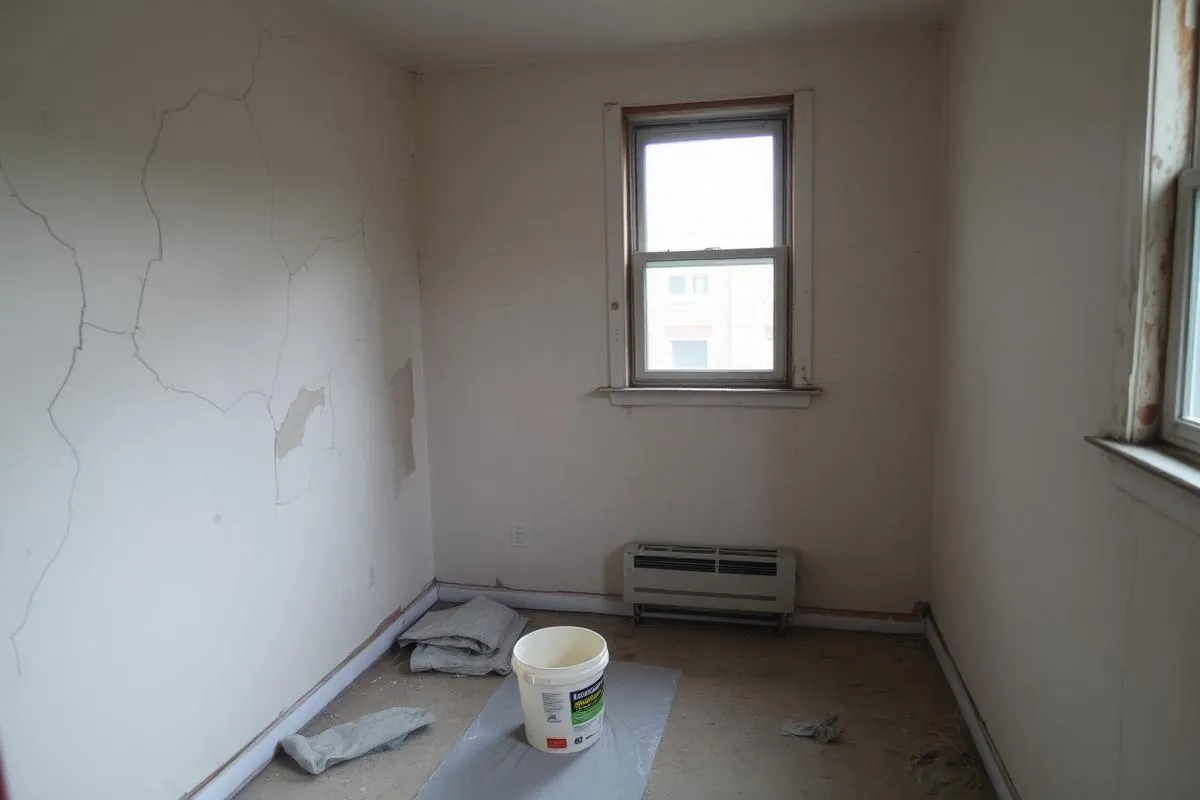
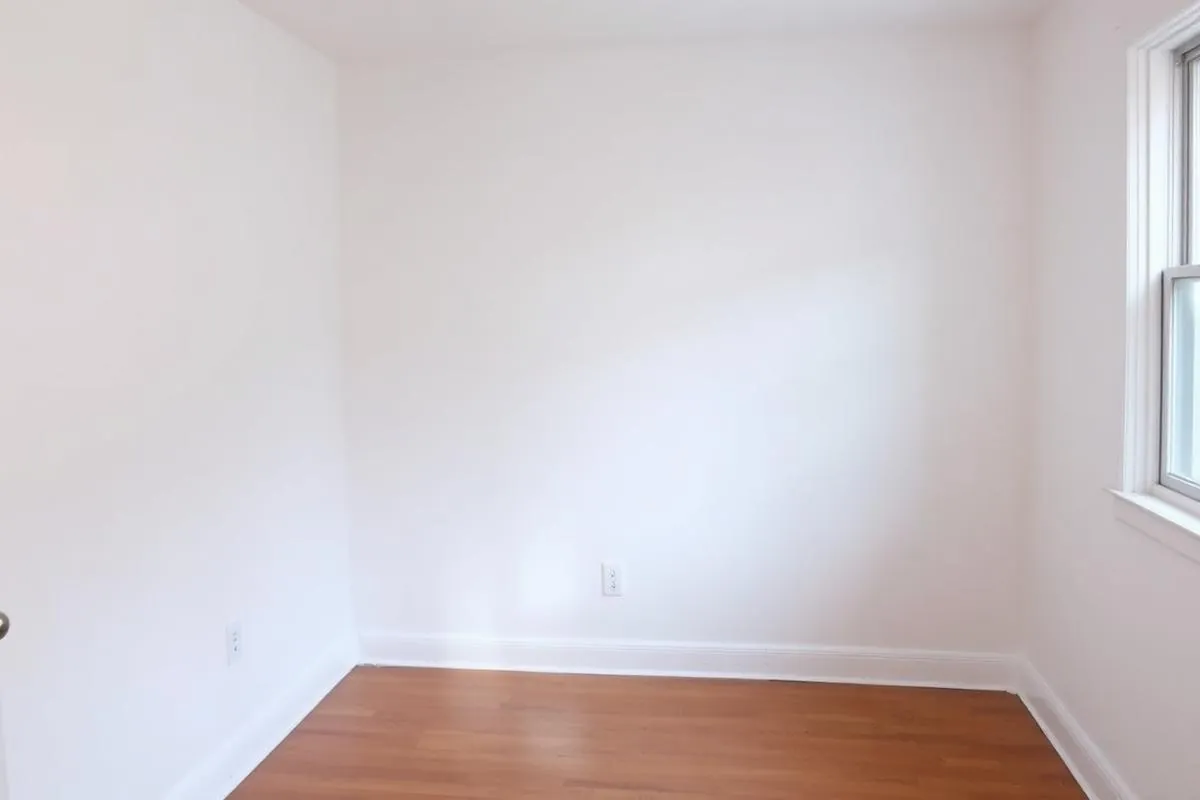
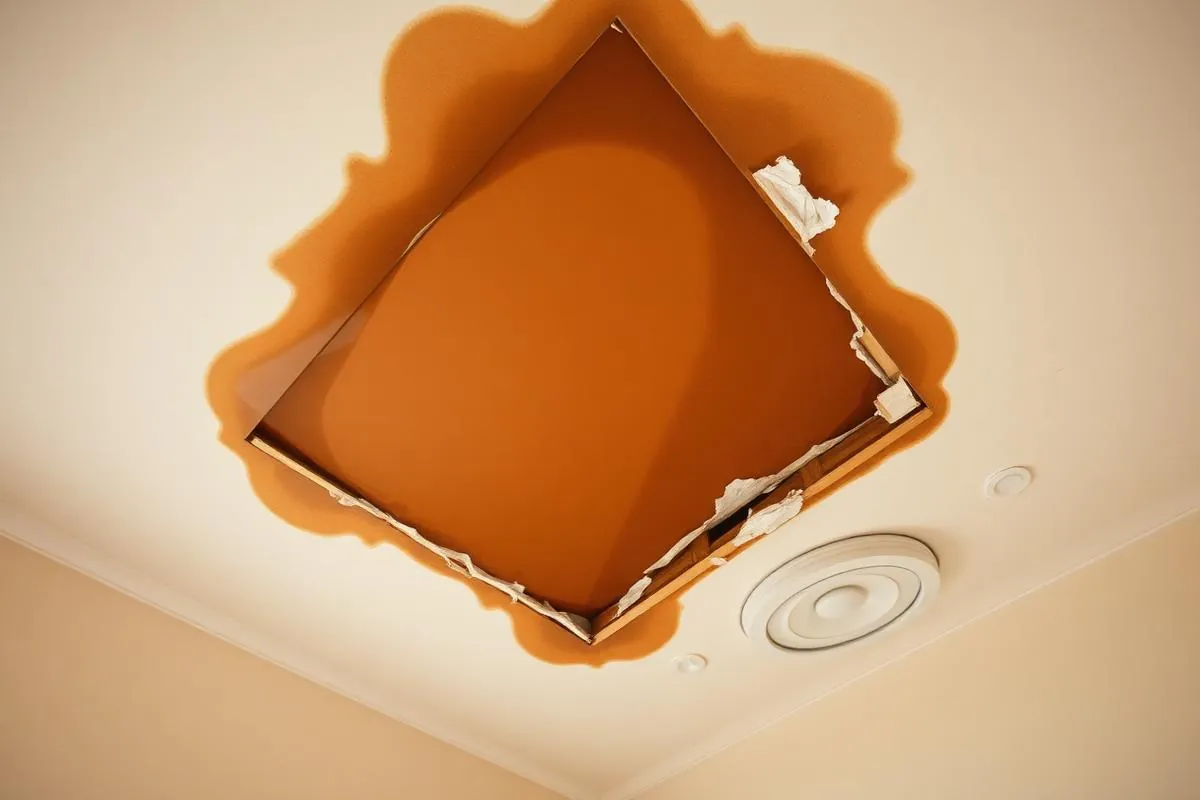
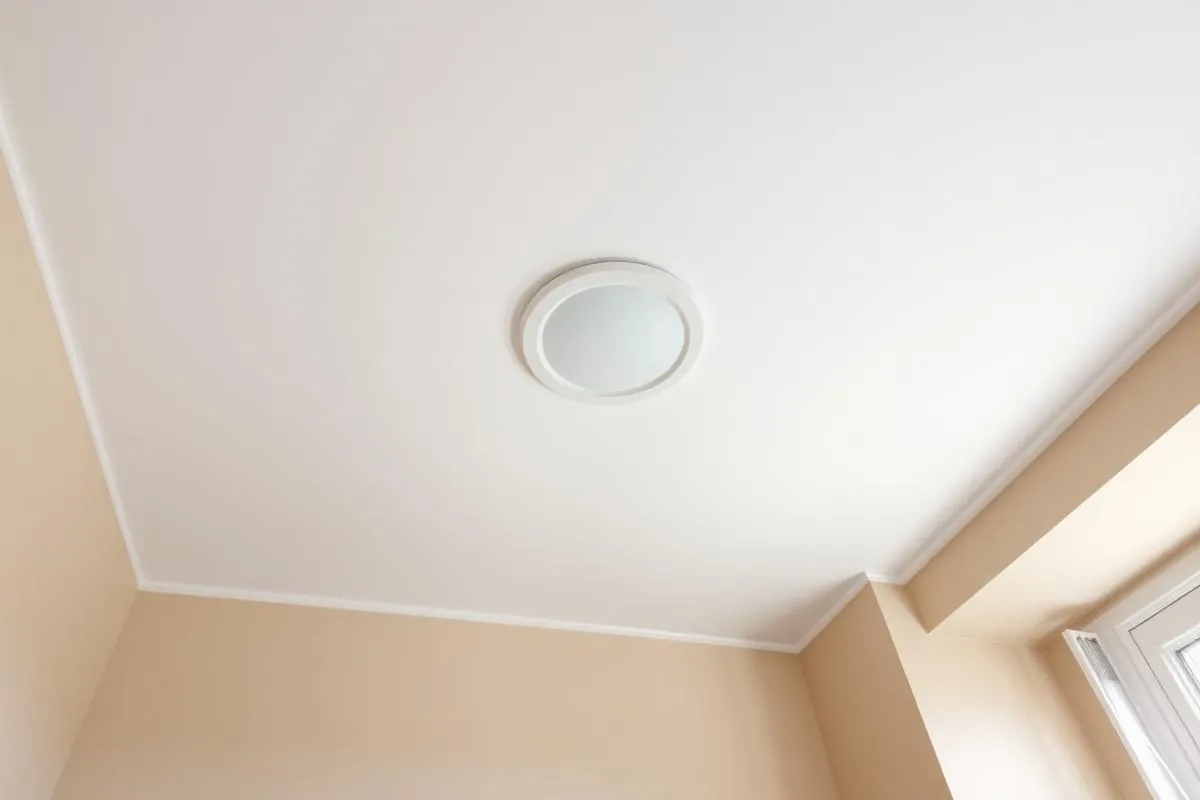
Fifteen distinct scopes, one crew that does all of them. Tell us what the room needs and we will tell you honestly which of these applies.
New Drywall Installation
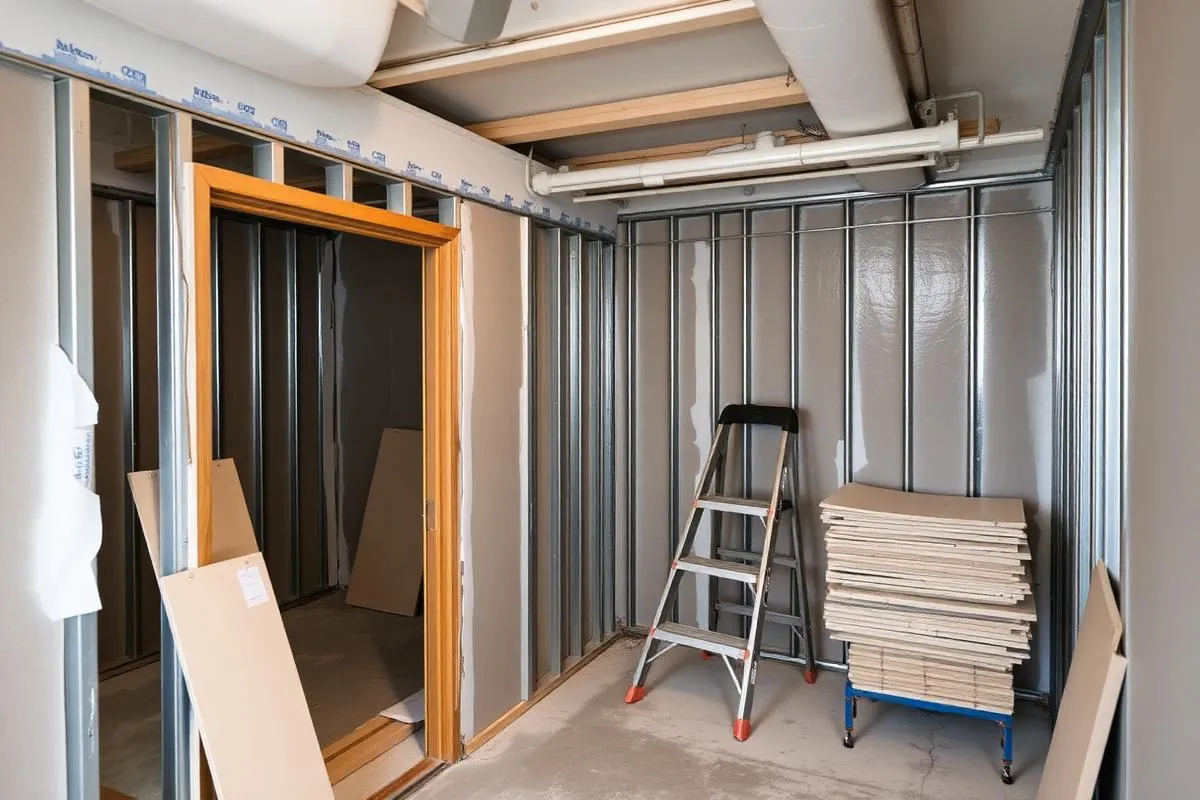
New drywall installation is the step that turns framing into a finished room, and the quality of the work shows in every wall for the life of the space. We start by checking the studs for crown and plumb, shimming where a bay is out of plane, and confirming that blocking exists for anything that will later hang on the wall. Board is laid out to minimize butt joints, screws are set to the correct depth without breaking paper, and gaps at floor and ceiling are held so the assembly can move without cracking. For New York apartments we size sheets to fit the stair or elevator you actually have, which avoids the field-cut seams that plague rushed jobs. Whether it is a single bedroom, a full gut renovation or a home addition, the result is a flat, square, paint-ready surface with clean transitions at corners, windows and door returns.
Drywall Hanging
Hanging is where a good drywall job is won or lost. Sheets carried in on edge, set tight to the ceiling, staggered so joints never line up across a wall, and fastened on the correct pattern give the finisher far less to hide. We hang ceilings before walls so the wall board supports the ceiling edge, use adhesive plus screws where it reduces fastener count, and cut openings for boxes and cans from measurements rather than by guess. Our crews own the details that most people never notice but always feel: tight inside corners, no crushed edges, no over-driven screws, and a consistent reveal at trim lines. If you are hiring a drywall contractor in NYC, ask how they stagger their joints — the answer tells you a lot.
Drywall Replacement
Sometimes patching is the wrong answer. Board that has been repeatedly wet, sagging ceilings, crumbling plaster over lath, and walls chased apart for new plumbing or electrical are all cases where replacement is faster and cheaper than repair. We remove the old material cleanly, bag and haul it, inspect what the demolition exposes — rot, failed insulation, corroded pipe, undersized framing — and tell you what we found before we close it up. New board goes back with corrected framing, proper insulation and a finish that matches the surrounding rooms so the replacement is invisible once painted.
Drywall Repair
Most drywall repair calls in New York are small, urgent and annoying: a doorknob through a hallway wall, a settling crack over a doorway, nail pops running up a bedroom wall, or a brown ring from an upstairs neighbor's overflow. We fix the cause first — a stop for the door, a fastener correction for the pops, confirmation that the leak above is dead — then repair the board and blend the finish outward so the patch does not telegraph under sidelight. Small repairs are usually same-visit; larger areas need a return trip for a final coat and sanding. Either way, we leave the wall ready for touch-up paint rather than leaving you with a lumpy grey blotch.
Drywall Ceiling Installation
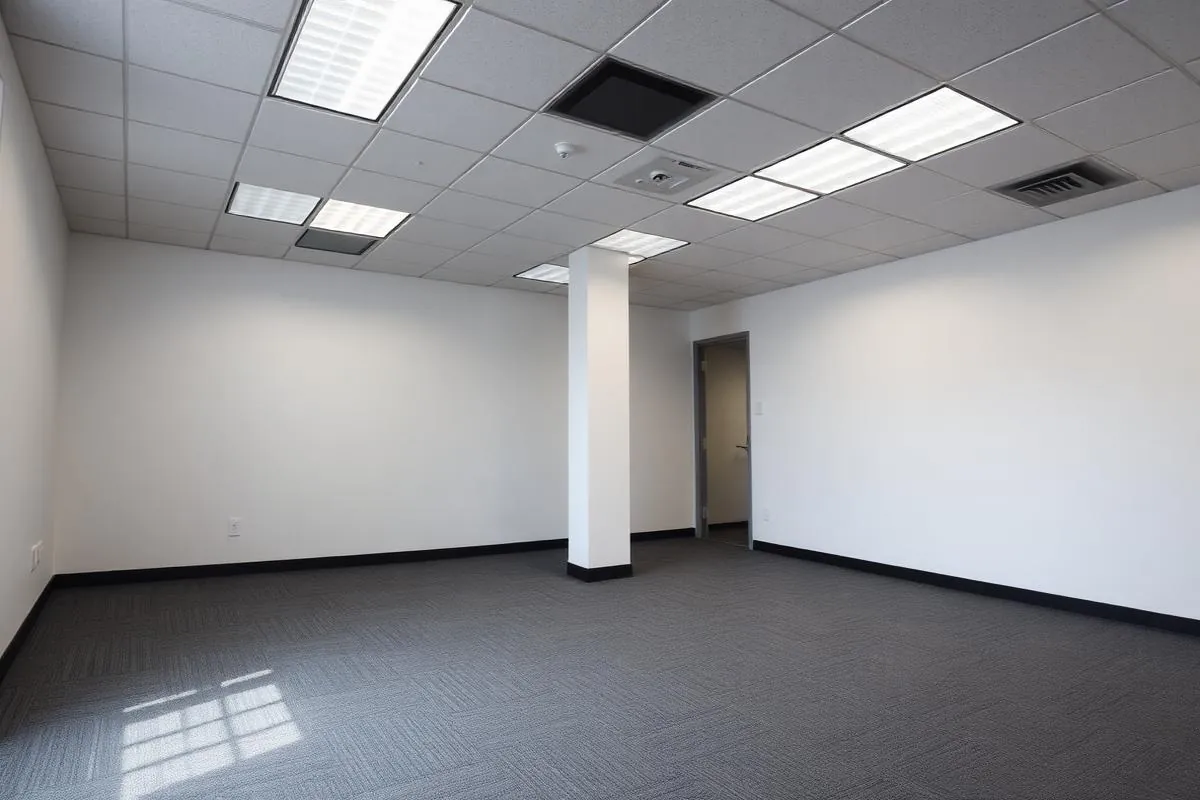
Ceilings are heavier, harder and less forgiving than walls, and they are where amateur work is most obvious. We use 5/8 board on ceilings for stiffness and sag resistance, fasten into every joist on tight spacing, and run sheets perpendicular to the framing. Where an old plaster ceiling is failing, we can overlay or fully remove and reboard, correcting sag with furring so the finished plane is genuinely flat. Recessed lighting, HVAC diffusers, sprinkler heads and speaker cutouts are laid out before board goes up so the finished ceiling reads intentional rather than improvised. Smooth ceilings, coffers and soffits over kitchen cabinetry are all in scope.
Drywall Taping & Mudding
Taping and mudding is the craft half of drywall. Paper tape is embedded in compound at flats and inside corners, metal or composite bead protects outside corners, and each successive coat is wider and thinner than the last. We let coats dry properly rather than forcing them, because compound that is buried wet is compound that cracks in month three. Butt joints are floated wide — sometimes 18 to 24 inches — so the unavoidable hump becomes a slope your eye cannot detect. The goal is a surface that needs almost no sanding, and a finisher who mudded well spends much less time creating dust in your home.
Level 5 Drywall Finish
A Level 5 finish is the highest standard in the industry and the right call for any wall that will live under critical light. After taping and the usual coats, the entire surface receives a thin skim of compound, rolled or sprayed and then knifed flat, so joint compound, fastener spots and paper face all share one texture and one porosity. Under a large window, a wall of sconces, dark saturated paint or a high-sheen enamel, this is the difference between a wall that looks custom and one that shows every seam by mid-afternoon. We recommend Level 5 for open-plan living rooms, feature walls, galleries, showrooms and hospitality spaces, and we are candid when a Level 4 will look identical for less money.
Skim Coating
Skim coating rescues surfaces that are structurally fine but cosmetically tired — old plaster with hairline crazing, walls stripped of decades of wallpaper, popcorn ceilings that were scraped, or previous patchwork that never blended. We prime and bond the existing surface, apply compound across the full plane, and knife it to a uniform flat finish. Skim coating New York prewar apartments is some of our most requested work, because it delivers the crisp modern surface people want without demolishing sound plaster, generating a dumpster of debris, or triggering the disruption of a full reboard.
Water Damage Drywall Replacement
Water damage is a timing problem. Board that stays wet loses strength and grows mold behind the paint face, often within days, so the correct sequence is stop the source, open and dry the cavity, verify with a moisture meter, then rebuild. We cut back to dry material, remove saturated insulation, run drying equipment where needed, and only then install new mold-resistant board. We document conditions with photographs and moisture readings, which is what your insurance carrier or managing agent will want. Painting over a stain without drying the cavity is the most expensive shortcut in home repair.
Fire-Rated Drywall
Fire-rated drywall is code-driven work with no room for improvisation. Type X and Type C board, correct layer counts, specified fastener spacing, rated joint treatment and proper firestopping at every penetration are what make an assembly perform as designed. In New York we install rated assemblies at unit demising walls, public corridors, stair and elevator enclosures, boiler and utility rooms, and garage-to-dwelling separations. We build to the listed assembly, keep the detail intact where pipes and conduit pass through, and leave the work ready for inspection rather than ready for a violation.
Moisture-Resistant Drywall
Kitchens, bathrooms, laundry rooms and basements need board chosen for humidity, not just price. Moisture-resistant and mold-resistant panels use treated cores and fiberglass or coated facings that do not feed mold the way standard paper does. Inside a shower or behind tile in a wet zone, we go further and use cement board or a foam tile backer with a bonded waterproof membrane. Paired with proper ventilation and sealed penetrations at valves and fixtures, this is how a New York bathroom stays sound for twenty years instead of five.
Soundproof Drywall
Noise is the most common complaint in dense New York housing, and drywall is one of the most effective places to address it. Depending on the wall and your budget, we specify sound-dampening laminated board, a double layer of 5/8 with damping compound between sheets, resilient channel to decouple board from framing, mineral wool in the cavity, and acoustic sealant at every edge and outlet. Done together these measures meaningfully reduce voice, television and street noise. We will tell you honestly which combination is worth the cost for your wall, because a partial approach with an unsealed perimeter delivers very little.
Basement Drywall Installation
Basements demand a different build-up than the rest of the house. Before any board goes on, we want to see managed water, a vapor strategy at the foundation wall, and framing held off masonry with rigid insulation behind it. Board is held above the slab so a future minor leak cannot wick upward, and we use moisture-resistant panels throughout. Where the basement is becoming legal living space, egress, ceiling height and fire separation at the boiler and stair all come into play. Our finished basements are dry, warm and paint-ready — not a rushed box that buckles the first wet spring.
Commercial Drywall Installation
Commercial drywall is a schedule business. Metal stud framing, rated partitions, ceiling grids, bulkheads, ADA-compliant openings and coordination with the electrical, plumbing, sprinkler and HVAC trades all have to land in the right order or the general contractor loses weeks. We work from drawings, attend coordination, hit close-up inspections, and can run evening and weekend shifts so an occupied office, store or restaurant keeps operating. Certificates of insurance, building rules, freight elevator windows and after-hours access are ordinary parts of the job for us across Manhattan and the outer boroughs.
Residential Drywall Installation
Residential drywall means working inside someone's home, and that changes how a crew has to behave. We protect floors and stairs, mask off the rooms we are not in, keep tools and material contained, sand with vacuum assistance, and clean daily. Scope ranges from a single closet to a whole-apartment gut: bedrooms, living rooms, kitchens, bathrooms, hallways, home offices, additions and converted garages. Because we also handle painting, tile and full renovation, drywall can be one clean phase of a larger project instead of a handoff between contractors who blame each other for the seam you can see.
Sheetrock Installation
Sheetrock is simply the brand name most New Yorkers use for gypsum board, and sheetrock installation is the same craft under a different label: hanging, taping, mudding, sanding and finishing. We install standard 1/2 inch board for walls, 5/8 inch Type X where a fire rating or a stiffer ceiling is required, mold-resistant board in bathrooms and laundry rooms, and sound-dampening panels where noise transfer matters. Whether you searched for sheetrock installation in the Bronx, sheetrock repair in Manhattan or a sheetrock contractor near you, it is the work described on this page — measured, hung, finished to the level your paint demands, and cleaned up behind us.
Drywall Patching & Hole Repair
Small drywall repairs are the most common call we get in New York: doorknob holes behind a bedroom door, cracks radiating from window corners, nail pops after a hot summer, gouges from moving furniture, and openings left behind by a plumber or electrician. Each is cut back to sound board, backed and patched, then feathered with two or three coats and sanded so the repair disappears under paint. Most single-room patch jobs are finished within two visits, and we can prime and paint the wall in the same trip so you are not left with a bright white circle in the middle of a colored wall.